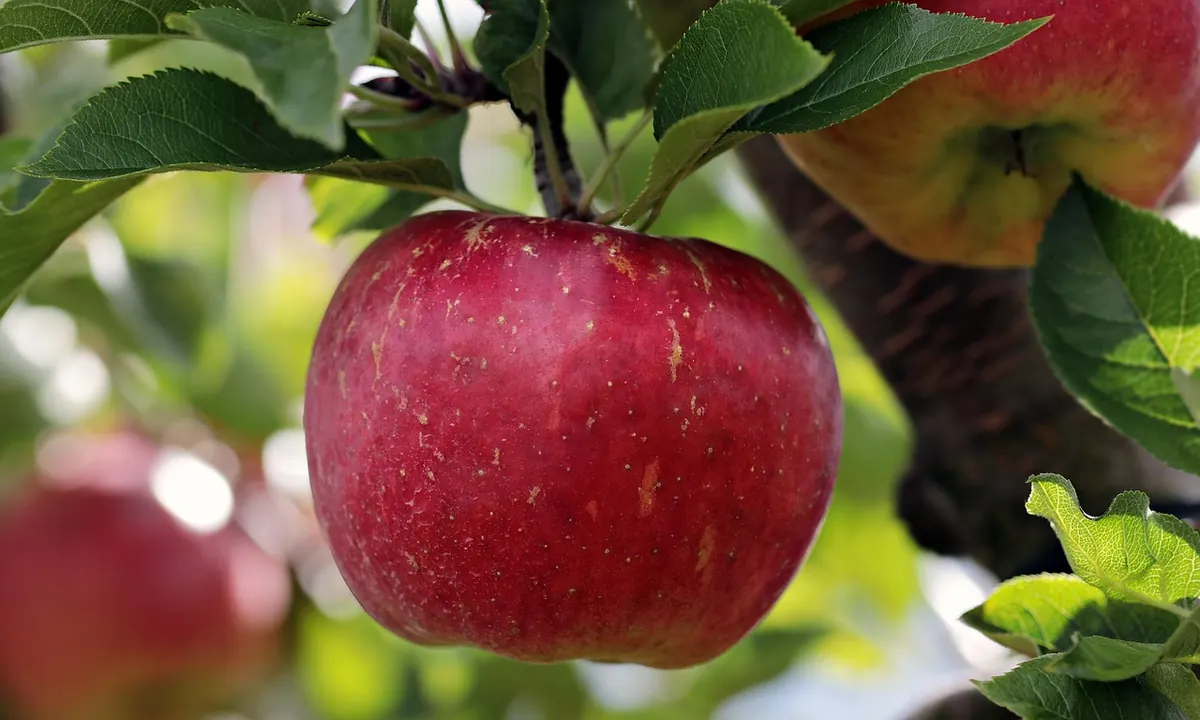
A pheromone trap hanging in an apple tree looks like a small, unremarkable thing: a plastic delta, a sticky card, a rubber lure. Yet the moths glued to that card are the most useful piece of information you will get all season about what is happening inside your fruit. Used carelessly, the same trap becomes decorative clutter that tells you nothing. The difference between those two outcomes comes down to three things: when you hang it, where you hang it, and how honestly you record what you find.
Codling moth is the pest most apple and pear growers love to hate. The adult is a small, grey-brown moth with a coppery patch at the wing tips. The damage is done by the larva, which chews through the calyx or the side of the fruit and tunnels towards the core, leaving a plug of reddish frass at the entry hole. Traps do not stop that. What they do is hand you a calendar, and a calendar is what makes every other control decision possible.
What the Trap Does and Doesn't Tell You
Almost all codling moth traps sold for orchard use are baited with codlemone, the synthetic version of the female's sex pheromone. They catch males only. So the number on the sticky card is not a headcount of your moth population; it is an index of male activity, and it rises and falls with temperature, wind and the age of the lure. A catch of eight moths per trap means something quite different in a warm, still week than in a cold, windy one.
Two very different jobs get done with the same hardware. A monitoring trap is a sample: you hang a few per block, count them weekly, and use the numbers to time sprays or other interventions. A mass-trapping or attract-and-kill programme uses many more traps, or baited stations, with the aim of removing enough males to reduce mating. Do not confuse the two. If you are running a monitoring programme, a sudden rise in catch is information. If you are mass trapping, the numbers are much harder to interpret and you should follow the label or supplier's scheme rather than improvising.
Choosing the Trap and Hanging It Properly
Delta-style sticky traps are the standard for monitoring because they are cheap, easy to read and simple to re-bait. Wing traps and larger funnel designs work too; the key is consistency. Pick one type and one lure strength and stick with it all season, because a change of kit in June makes your records meaningless. Store spare lures sealed in a freezer, away from strong smells, and put them out with forceps or gloved fingers. A lure handled with your bare hands can pick up enough contamination to change the catch.
Placement is where most growers lose accuracy. Moths fly through the upper canopy, so a trap swinging at knee height beside the trunk is largely wasted.
- Hang traps in the upper third of the canopy, roughly 1.5 to 2 metres up, in the zone that carries most of your fruit.
- Fix them firmly to a sturdy branch with wire so they do not spin or knock against limbs in wind.
- Aim for dappled light rather than full sun. A trap baking in direct afternoon sun loses its lure faster and dries out the sticky surface.
- For monitoring, work to about one trap per two hectares of uniform block, with a minimum of two or three per orchard so a single bad trap does not ruin the picture.
- Put extra traps on the upwind edge, near old bins, sheds or neglected trees where moths overwinter, to get early warning.
- Mark each trap's position with a flag and return to the same spots every week. Comparisons between fixed points are far more useful than a roaming average.
Set traps out before you expect flight, at green tip to pink bud in apples, so you are listening before the first moths appear rather than after.
Timing: Biofix and Degree Days
The single most useful number in codling moth management is the date you call biofix, meaning the first sustained catch of the spring. One moth on one card is a blip. Two consecutive checks with a male caught, taken after the trees have reached petal fall, is normally treated as the start of the season's flight.
From biofix, many growers count degree days above a base of 10 °C and use a local model to predict when eggs start hatching and when the second flight begins. In broad terms, egg hatch follows roughly a hundred to a hundred and fifty degree days after biofix in many apple regions, with the second generation flight arriving in the second half of summer. Treat those figures as a starting point, not gospel. Models are calibrated by region and variety, and your local advisory service will have the version that fits your valley, not the one that fits a textbook.
Temperature matters in a simpler way as well: codling moths barely fly below about 15 °C, and they fly very little in strong wind. A cold snap that empties your trap is not a reason to relax.
Reading the Catch
Whatever the lure and the model, the count is only as good as your record-keeping. Check traps weekly, and twice weekly once catches start to climb. Count the moths on the card, note whether they look fresh or weathered, and clear the card or start a new one when it gets dusty or crowded.
A pattern worth learning is the shape of the season. Catches creep up, then jump after a warm spell; roughly one to two weeks later the first larvae are at work in the fruit. That gap is your window for action. If you are using an insecticide, the aim is to cover hatch, not to chase adults, so the trap catch is a warning, not a trigger by itself. Walk the block the same day and look for entry holes at the calyx end and frass plugs on the side of fruit.
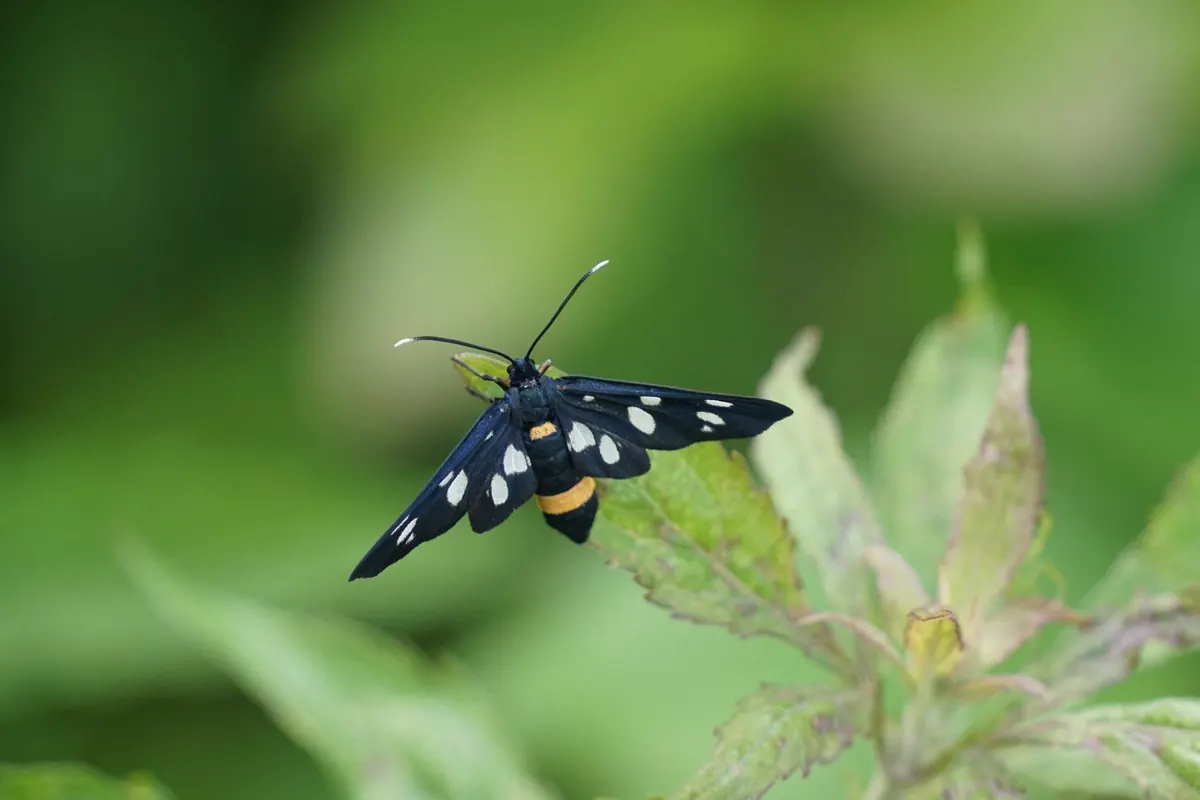
Learn to identify the target. Codling moths are not the only small brown moths in an orchard; tortrix species and a range of harmless flies and bees end up on sticky cards. If a catch looks wrong, photograph the card and ask your adviser before acting on it. And remember that counting males gives no direct measure of mating success: an empty trap in a block under mating disruption may mean confusion rather than absence.
Common Mistakes That Skew the Count
- Leaving the lure in too long. Replace it on the interval stated on the pack, which is usually a matter of weeks, and write the date on the trap.
- Letting the sticky card fill with dust, leaves and bycatch. A saturated card stops catching and your numbers quietly drop.
- One trap for the whole farm. Blocks differ in variety, shelter and history; you need at least a couple of reference points.
- Trap positions that drift. Moving traps week to week makes trend analysis impossible.
- Treating the trap as a control method. A monitoring programme does not protect fruit; it informs decisions that do.
- Ignoring the ground. Dropped fruit and rough bark shelter larvae; clean picking and cardboard trunk bands in late summer do more for next year than any extra trap.
A Ten-Minute Weekly Routine That Works
Walk the same route every Monday morning with a notebook. At each marked trap, count the moths, record the date and the weather since the last visit, then replace a soiled card. Replace lures on the schedule you wrote on the trap. Spend five minutes checking twenty fruit clusters in the block with the highest catch, looking for entry holes and frass. Once a fortnight, compare your counts with the degree-day model for your area and with your fruit-damage finds, and only then decide whether the block needs intervention.
Keep the traps working until late summer, because the second flight is what puts the deepest damage into storage fruit. At the end of the season, leave one trap up a little longer as a check on late activity, then take everything down, clean the holders and store them dry. And where a decision involves a plant protection product, check what is approved for apples and pears where you farm, and follow the label and local advisory guidance rather than a figure from another country. The trap gives you the timing; the details of the response still belong to your own orchard.